
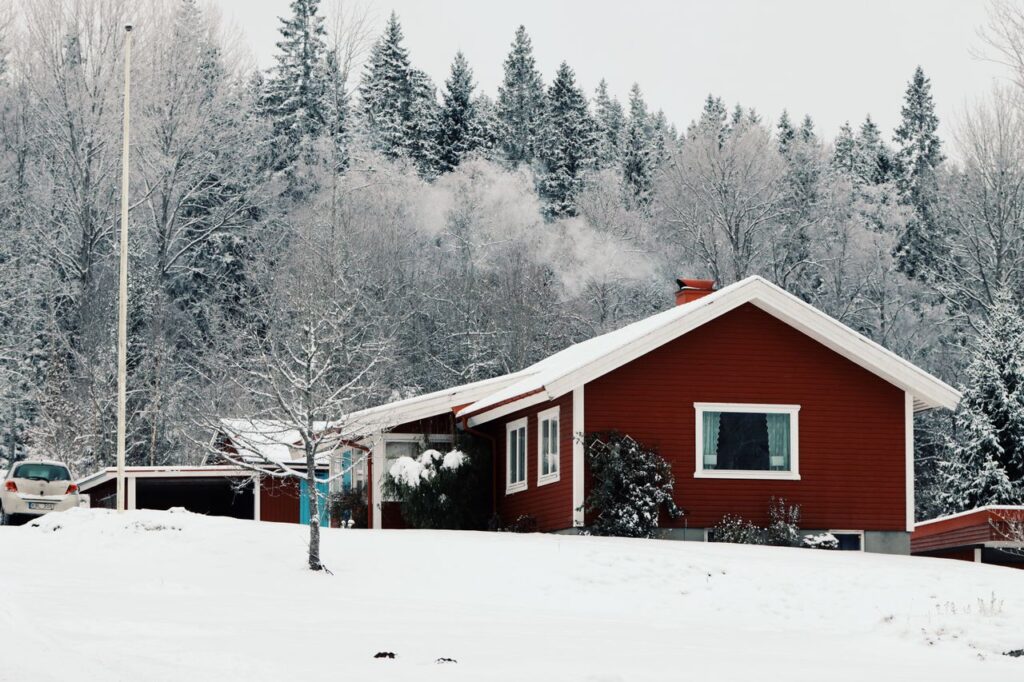
Every year it’s the same story. The first real cold snap hits, someone fires up the furnace for the first time in months, and nothing happens. Or it runs, but the house never quite warms up. In Saskatoon, where an October night can drop below freezing without much warning, a furnace that isn’t ready is more than an inconvenience. A little bit of fall maintenance goes a long way toward avoiding that cold morning entirely.
Here’s what to do before winter sets in.
A little fall maintenance goes a long way toward avoiding a cold-morning breakdown.
Change your furnace filter
This is the simplest and most overlooked step. A clogged filter forces your furnace to work harder, which wastes energy and shortens the life of the system. Over a long prairie winter, that adds up on your gas bill. Check your filter now, and plan to change it every one to three months through the heating season. If you can’t remember the last time you changed it, it’s overdue.
Test the system before you need it
Don’t wait for the first freeze to find out your furnace has a problem. On a cool fall day, turn your thermostat up and let the furnace run through a full cycle. Listen for unusual noises, banging, grinding, or a high-pitched whine. Watch that it actually produces heat and shuts off normally. If anything seems off, you have time to get it looked at before the real cold arrives, rather than during it.
Check your thermostat
If your thermostat is old or the batteries are weak, it can cause the furnace to behave erratically. Replace the batteries and make sure the settings are correct for the season. If your thermostat is more than a decade old, this is a good time to consider an upgrade, though that’s a job worth talking through with a technician.
Clear the area around your furnace
Furnaces need airflow to run safely. Over the summer, it’s easy for storage boxes, laundry, or other clutter to pile up around the unit. Give it some breathing room. Make sure vents and registers throughout the house are open and unblocked too, so heat can move freely.
Look at your exterior vents
Many Saskatoon homes have high-efficiency furnaces that vent through the side of the house. Check that these intake and exhaust pipes are clear of debris, nests, or anything that could block them. Once the snow comes, keep an eye on them through the winter, a vent buried in a snowdrift is a real safety hazard.
Pay attention to the warning signs
A furnace rarely fails without warning. If you notice any of these, get it checked before winter:
- Weak or uneven heating around the house
- The furnace short cycling, turning on and off rapidly
- Strange smells when it runs
- A yellow pilot flame instead of a steady blue one
- A jump in your gas bill without a change in usage
Any of these is worth a call. Catching a small problem in the fall is far cheaper and less stressful than an emergency repair in January.
When to bring in a professional
You can handle the filter, the thermostat batteries, and clearing the area yourself. But a full seasonal inspection, checking the heat exchanger, testing gas pressure, inspecting electrical connections, is a job for a licensed technician. A yearly professional service catches the problems you can’t see, keeps your furnace running efficiently, and gives you peace of mind heading into the coldest months.
At Fire & Frost Mechanical, furnace maintenance in Saskatoon is handled by Clay Simmonds, a Red Seal journeyman HVAC-R technician. A quick fall service now means you’re not scrambling for a repair when the temperature drops. If your furnace is due for a check, or if something already feels off, give us a call at 306-914-8194.